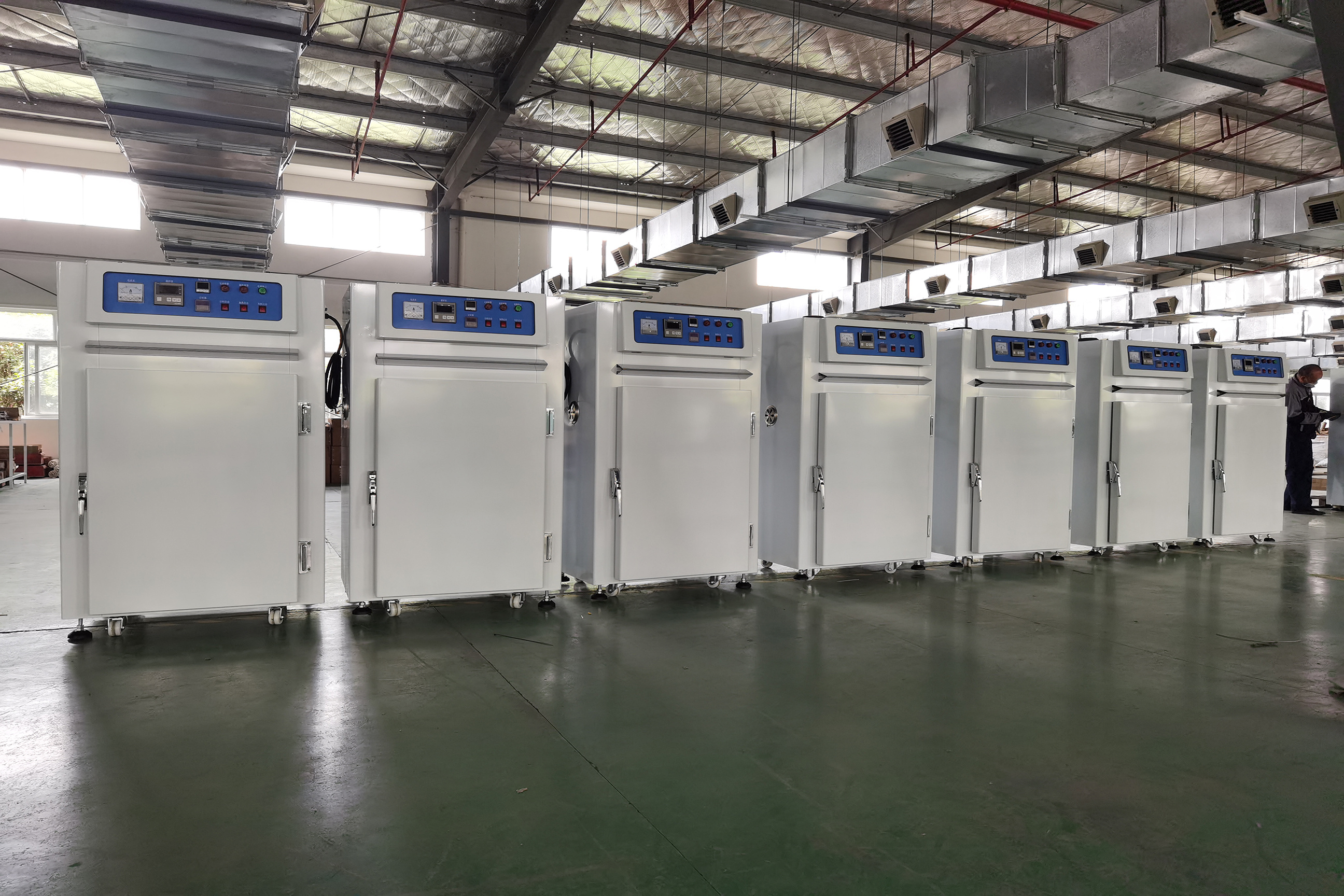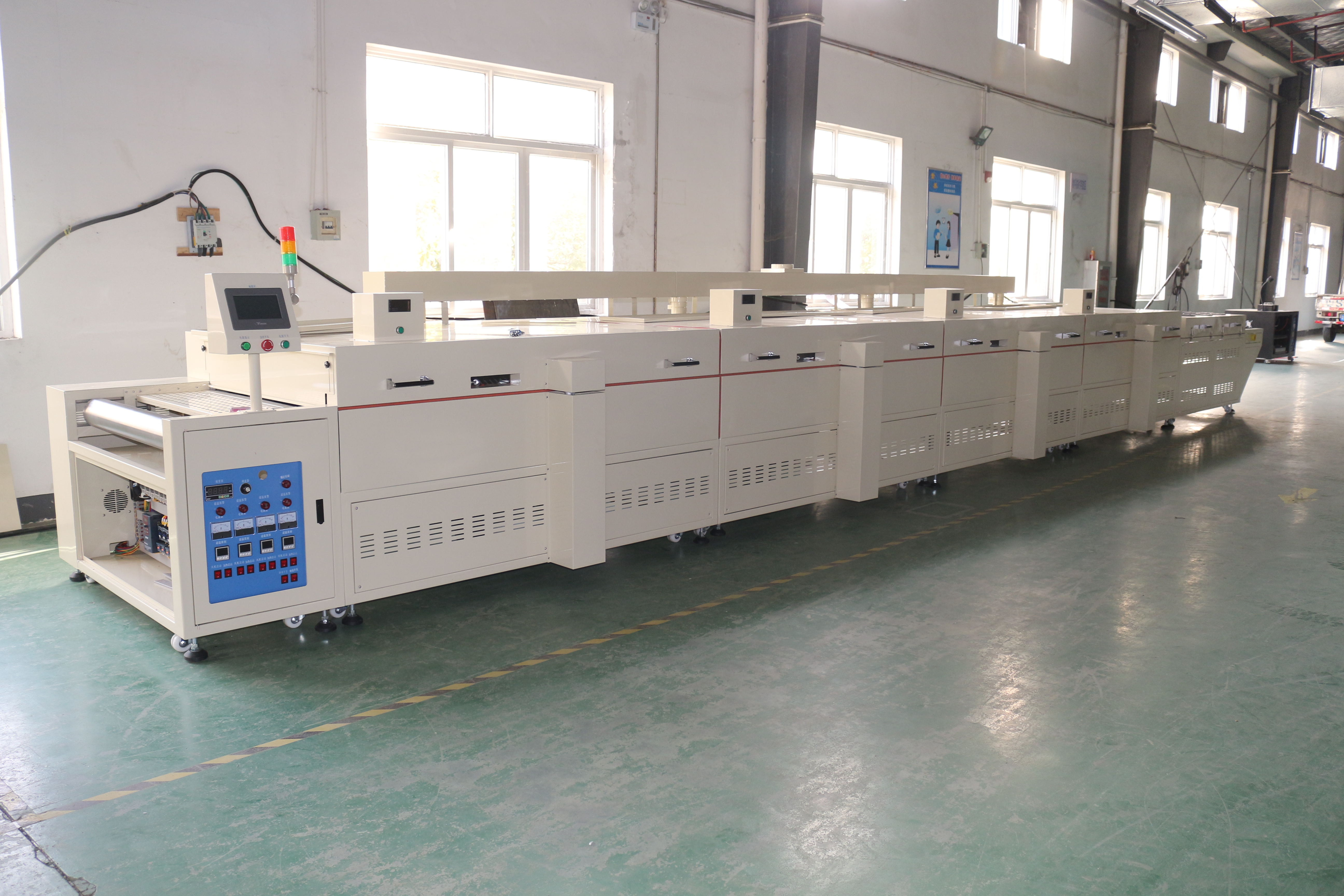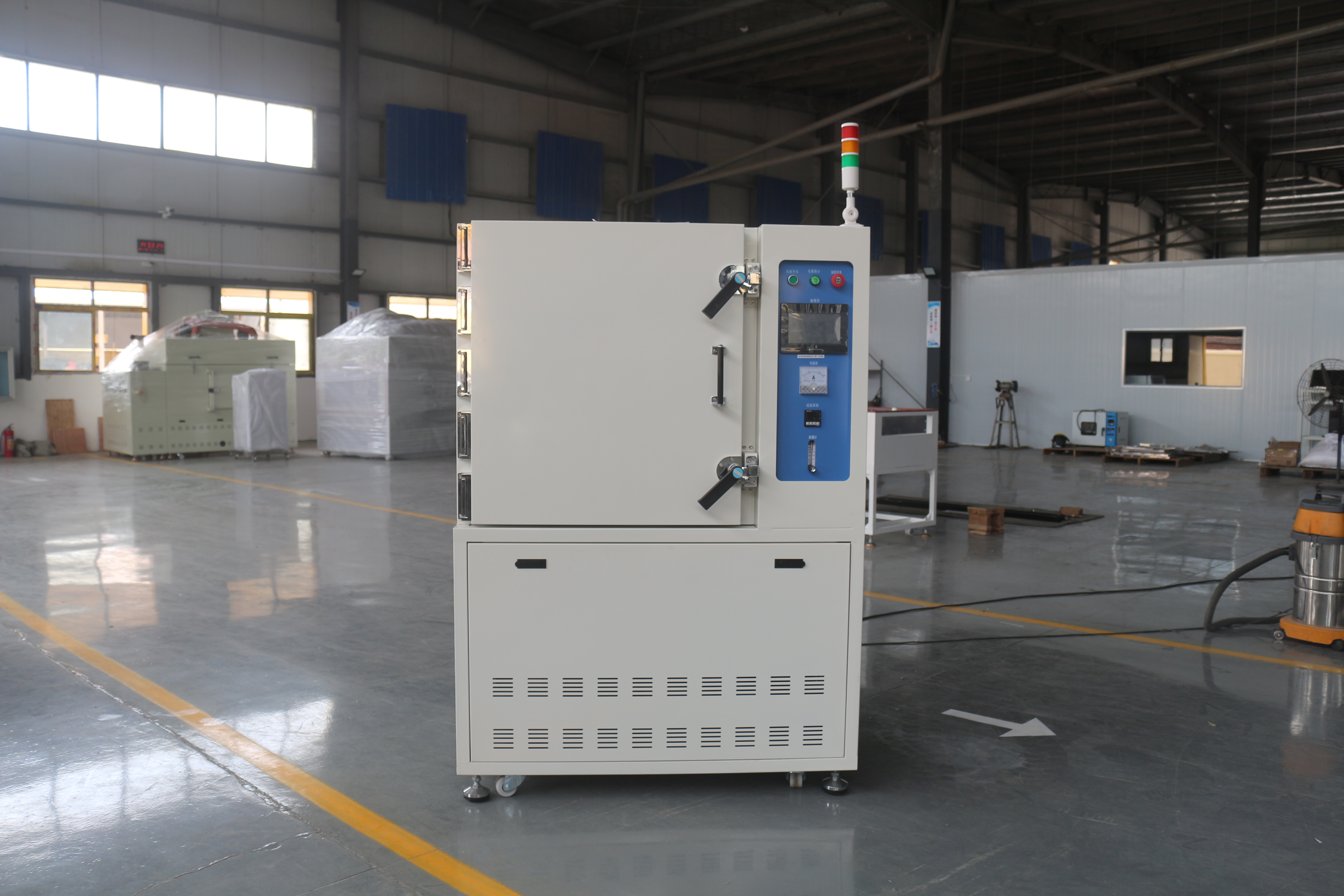

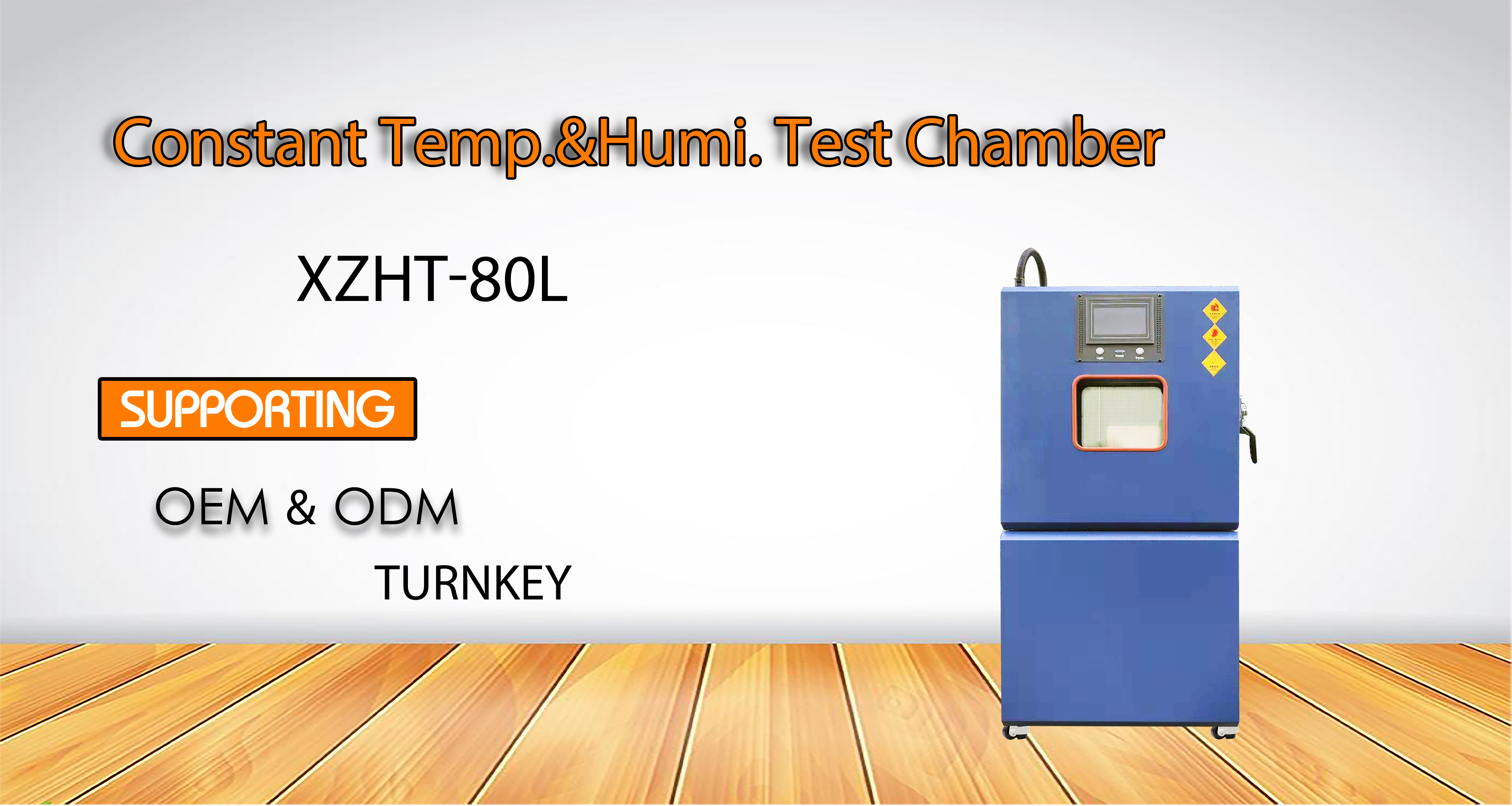
High/low temperature test equipment includes high/low temperature test chambers, high/low temperature cycling chambers, constant temperature and humidity chambers, high/low temperature damp heat chambers, thermal shock chambers and more; all share the same refrigeration core: the compressor. The quality of the test system bears directly on the control performance of the compressor. As the refrigeration compressor is the core component of a temperature test machine, compressor maintenance is especially important. Below, Shangce summarizes the following experience on compressor maintenance for high/low temperature test equipment.
First comes the laboratory environment: choosing a good installation site is also the prerequisite for the compressor of high/low temperature test equipment to use the air system correctly. If the test environment is not planned in advance, such carelessness later becomes the cause of difficult compressor repairs and poor compressed-air quality.
1. Because the compressor has an air circulation system, a filter must be added if the air around the equipment is dusty; the air must also not contain flammable or corrosive gases, which could cause explosion or internal corrosion. Overall, keep the relative humidity of the air low, dust to a minimum and ventilation good.
2. Compressor performance suffers at high temperatures; an ambient temperature below 30℃ is preferable. If the temperature is too high, the compressor's air output decreases.
3. The equipment should be installed in a spacious location; a cramped space hinders later repair and maintenance. In particular, the radiator (condenser) of the compressor's refrigeration unit should be maintained regularly and kept clean.
4. The supply voltage at the test chamber site must be stable; otherwise the current will be too high or too low, and long-term operation under such conditions will damage the compressor.
5. The test chamber should stand on a hard floor, and the foundation must be leveled before installation to prevent compressor vibration and the resulting noise.
Correct operation and proper handling of faults during testing help maintain the compressor of high/low-temperature test equipment and extend its service life.
1. Do not start the compressor frequently during testing; the interval between compressor starts is 15 minutes.
2. During trial operation, strictly check the compressor's direction of rotation. If it runs in reverse, stop it immediately, cut off the power, swap any two of the three phase wires and restart; otherwise the compressor will be damaged.
3. While the test equipment is in operation, regularly inspect the compressor's safety valve and other protection systems to ensure they are responsive and reliable.