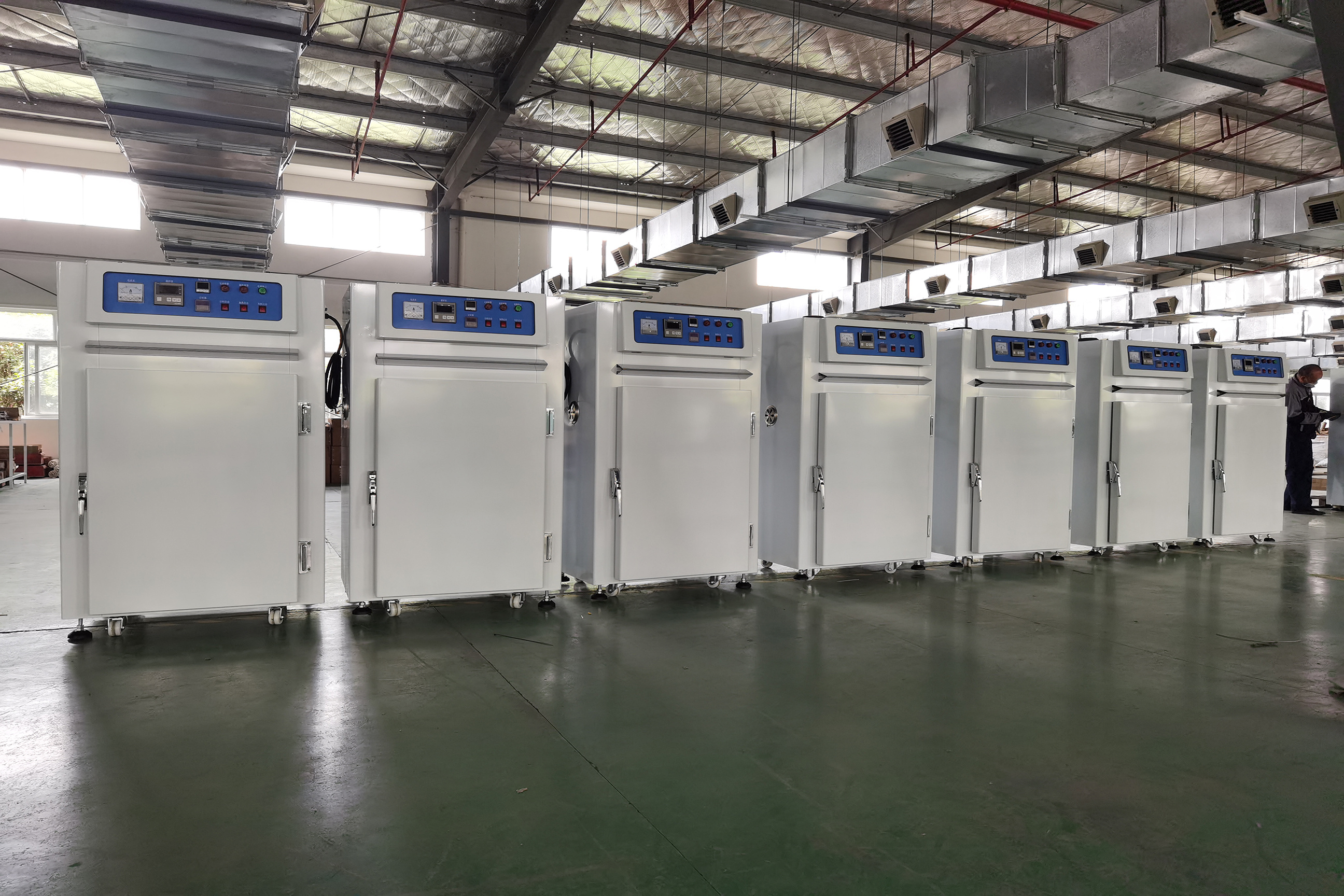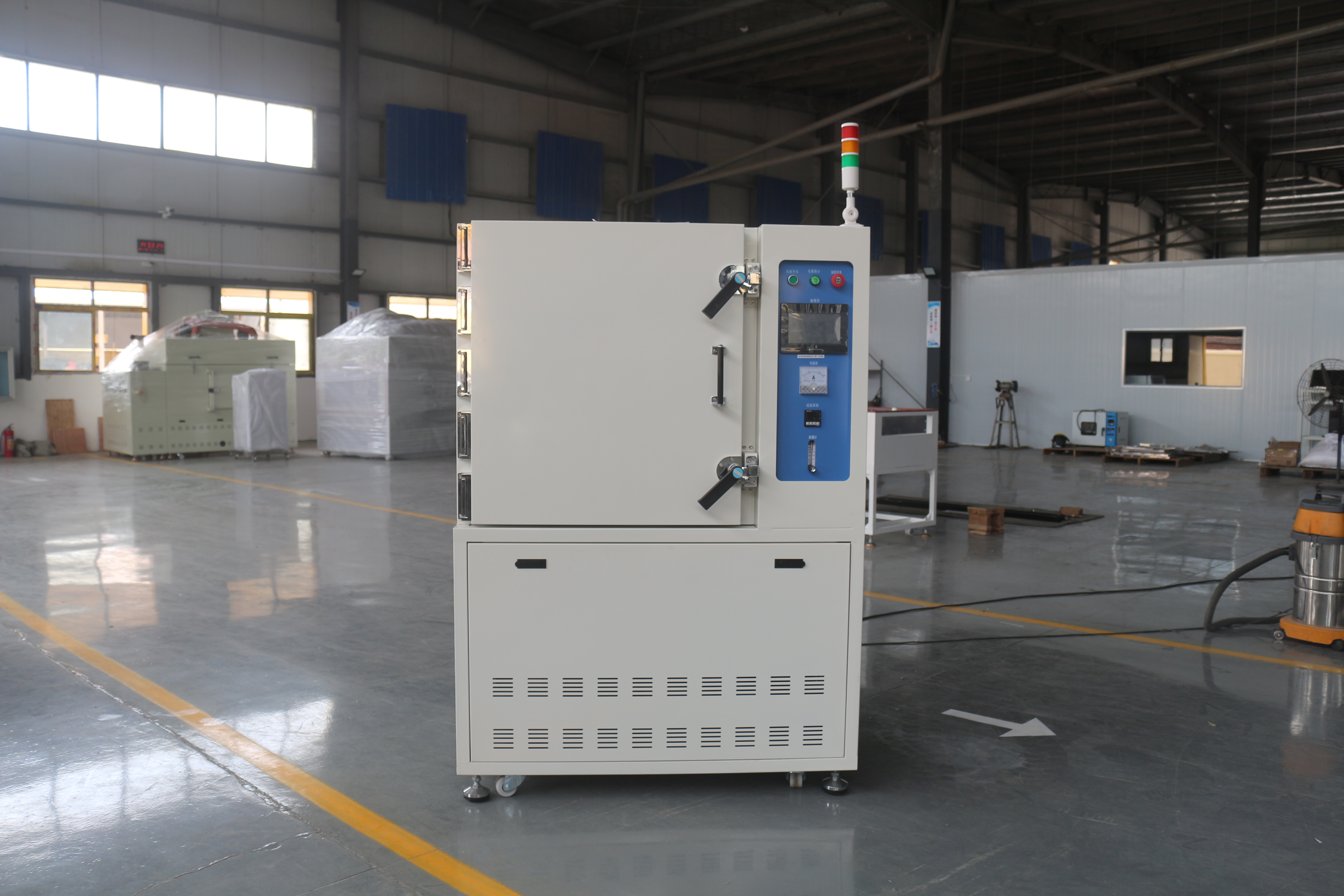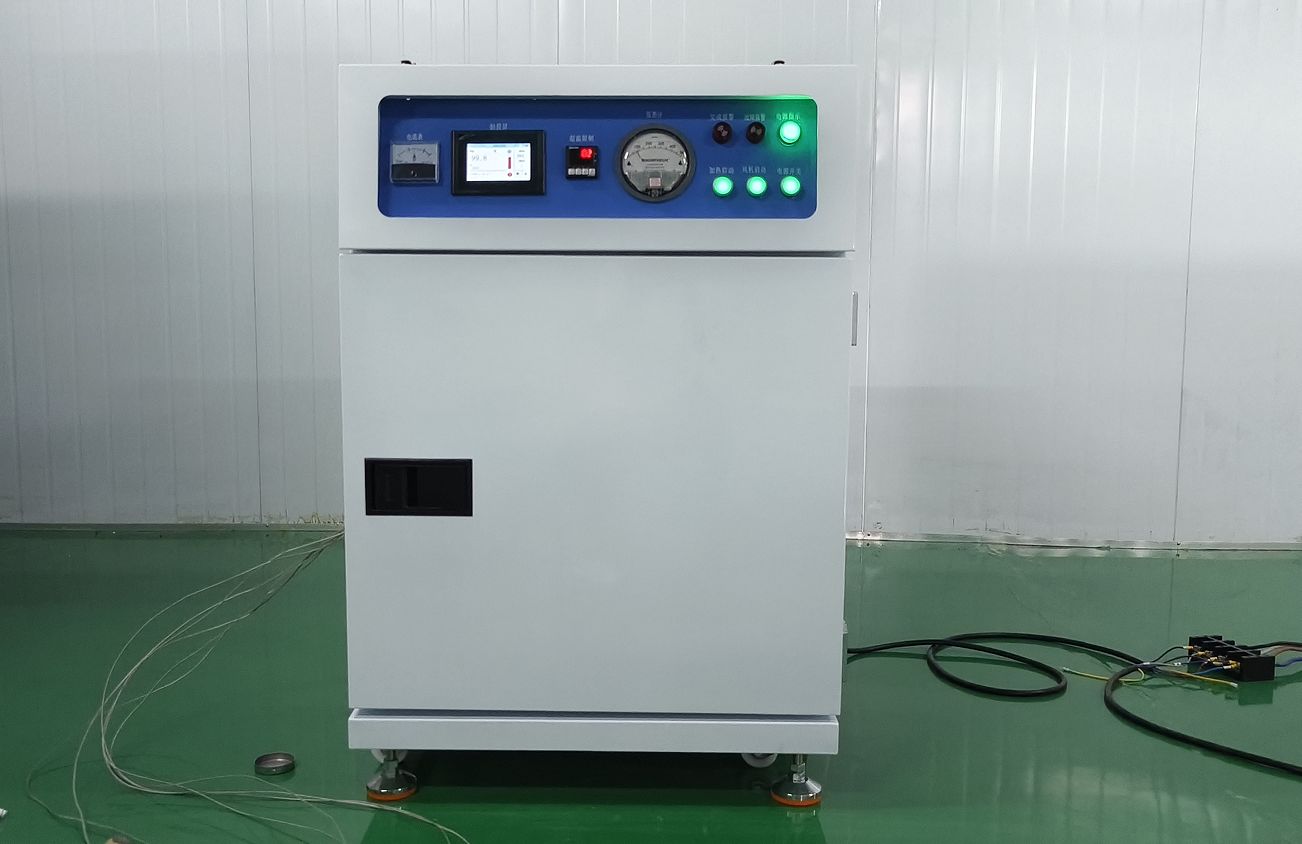

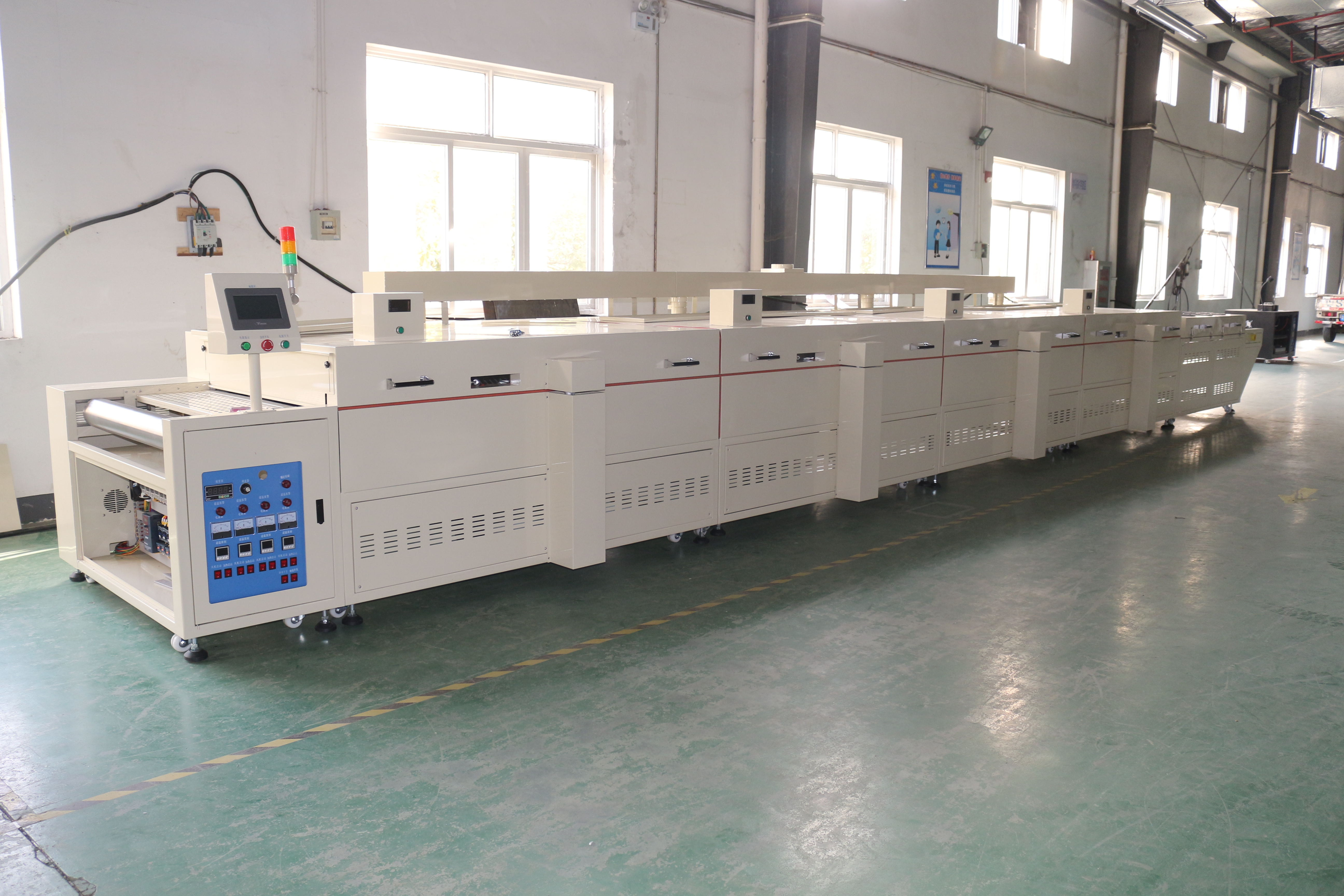
A tunnel oven for blood-glucose test strips is production equipment used mainly to dry and cure the strips. A closer look:
Operating principle
Hot-air circulation: blood-glucose strip tunnels heat air with elements and fans circulate it so hot air sweeps the strips, carrying off moisture or solvent to dry them.
Temperature control: high-accuracy sensors feed the controller, which compares setpoint vs measured value and trims heater power to keep chamber temperature stable for strip dry/cure.
Construction
Heating system: made up of heating elements such as resistance wire, electric heating tubes or gas heaters. It is the core component that supplies heat, converting electrical or gas energy into heat to warm the air.
Circulation system: mainly fans and air ducts. The fans drive hot air around the tunnel and the ducts distribute it evenly through the chamber, so every part of the test strips is heated and dried evenly.
Temperature control system: temperature sensors, a controller and a display. The sensors measure the actual temperature in the oven, the controller computes and regulates based on their signals, and the display shows the oven temperature in real time so operators can monitor and adjust it.
Tunnel body: the main structure of the equipment, usually built with insulating materials such as rock wool or aluminium silicate fibre to reduce heat loss and improve energy efficiency. Inside, a conveyor belt or trays carry the test strips through the oven for continuous production.
Role in test-strip production
Drying: during production, moisture must be removed from blood-glucose test strips to keep them stable and accurate. The tunnel oven evaporates the moisture quickly and evenly, bringing the strips to a suitable moisture content and preventing deterioration or failure from excess moisture during storage and use.
Curing: for test strips that need curing, the tunnel oven provides the specific temperature and time so that the chemicals on the strip cure into a stable detection layer, improving detection performance and reliability.
Higher productivity: as a continuous process, the tunnel oven handles large numbers of test strips at once, greatly raising output, lowering production costs and meeting the needs of mass production.
Process parameter settings
Temperature setting: choose dry/cure temperature from strip materials, chemistry and process. Typical tunnel settings are 30-80℃, varying by maker and product.
Air speed: air speed directly affects contact and heat transfer between the hot air and the test strips. A suitable speed spreads the hot air evenly over the strips and improves drying efficiency, but too high a speed can blow chemicals off the strip surface or damage the strips. Air speed in the tunnel oven is usually set between 0.5 m/s and 3 m/s.
Conveyor speed: it determines how long the test strips stay in the tunnel oven, i.e. the drying or curing time. Adjust the belt speed to the drying or curing requirements so that the strips spend enough time in the oven for the desired result. Conveyor speed is generally between 0.5 m/min and 5 m/min.