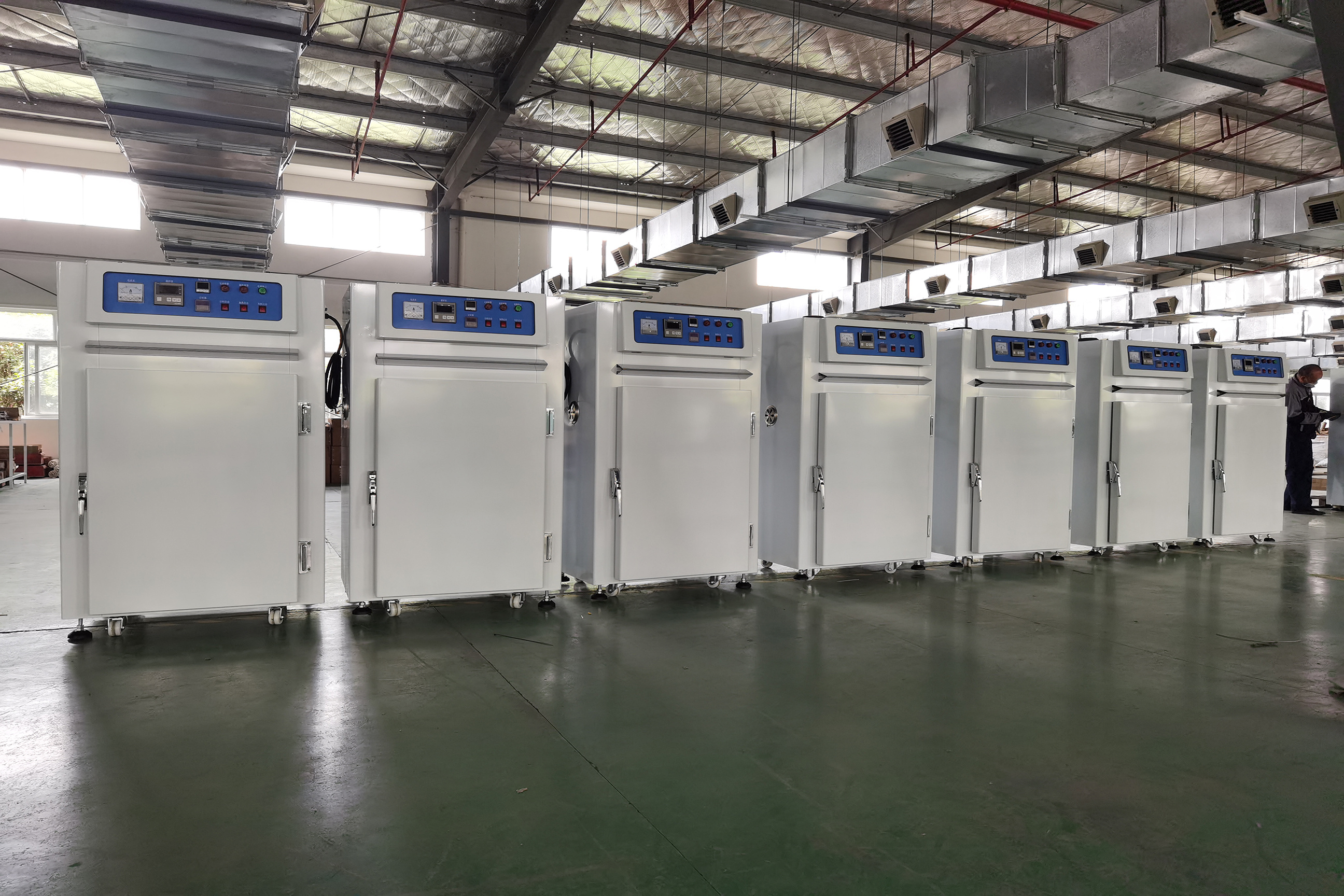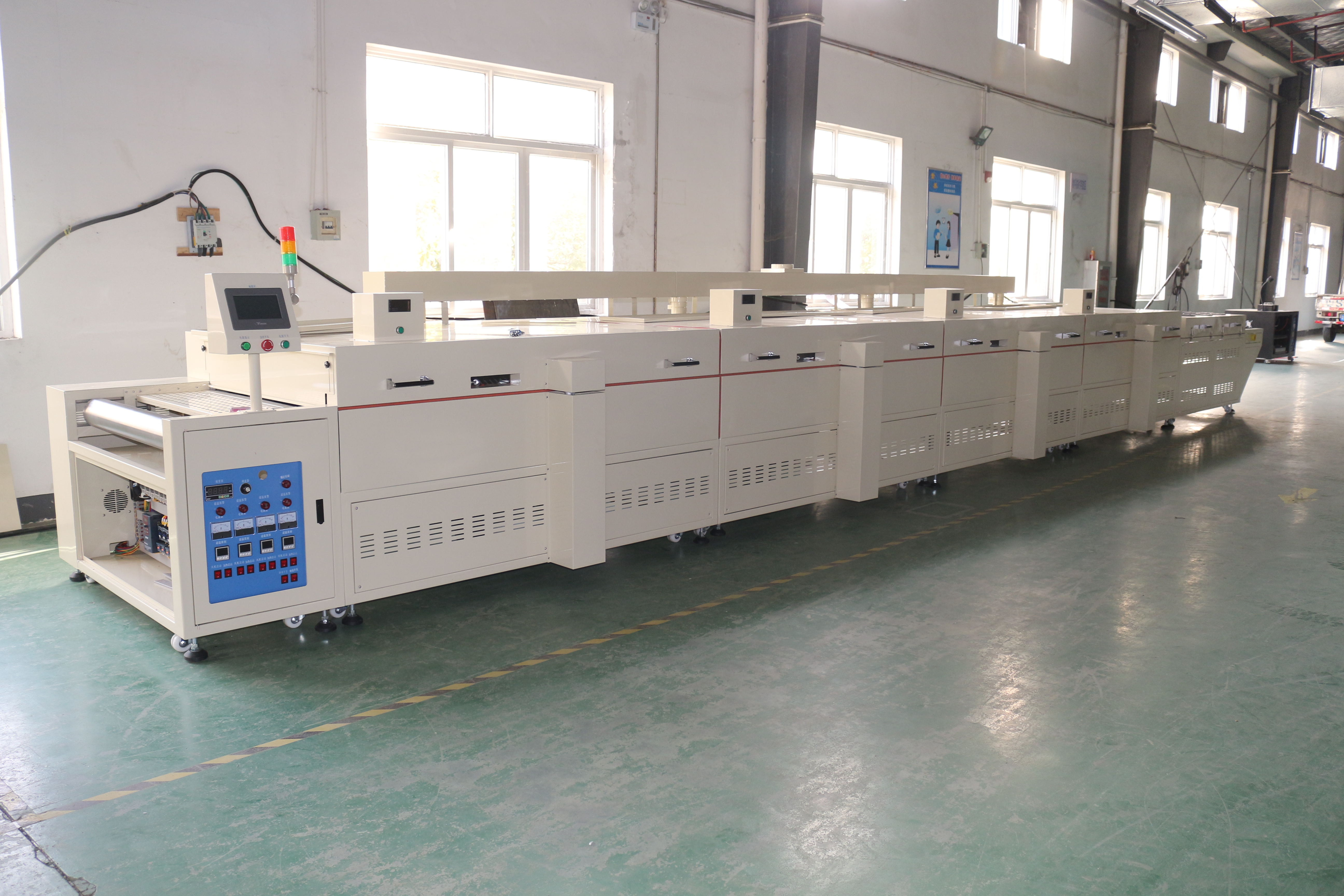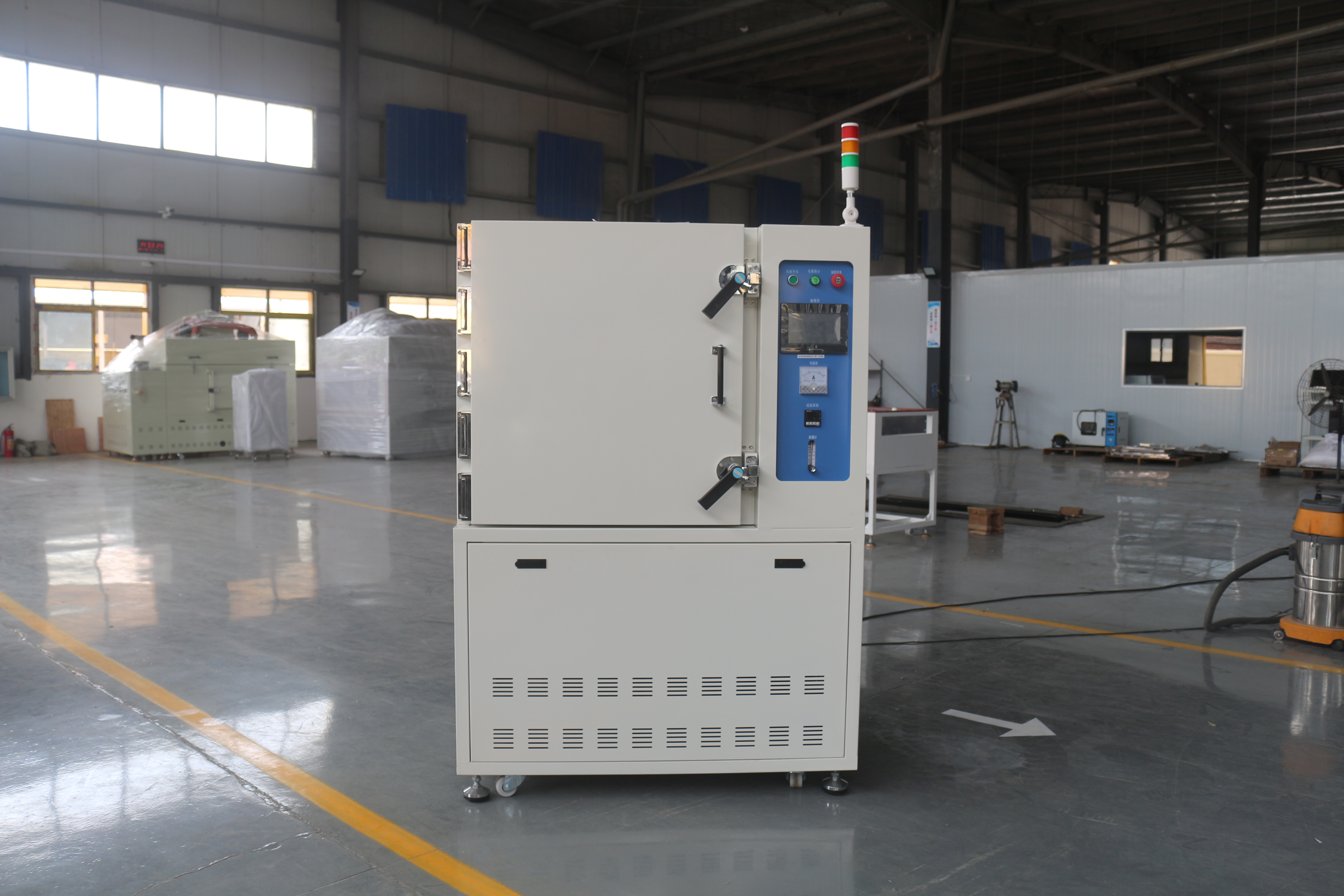

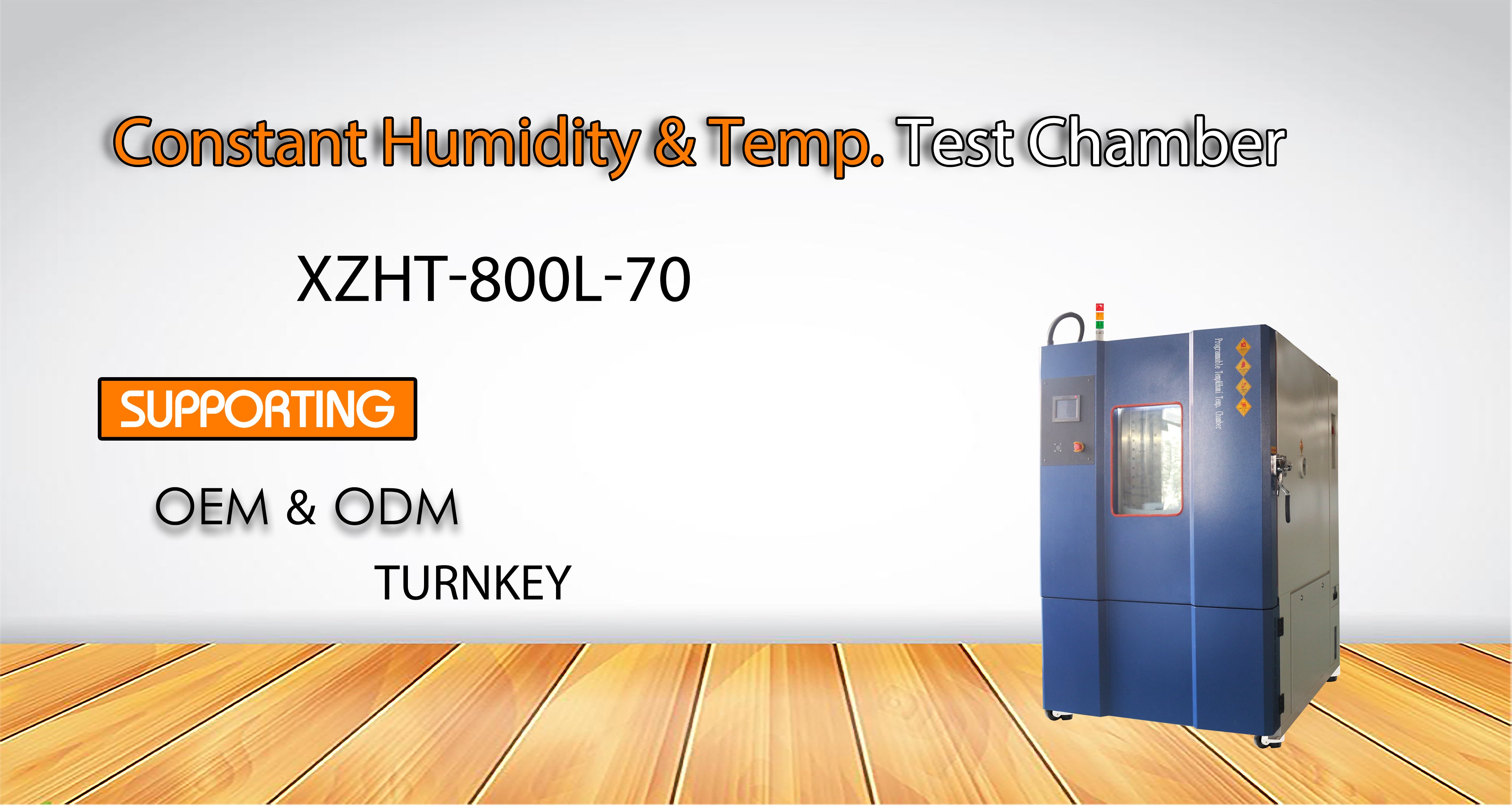
High/low-temperature test chambers are the main temperature and humidity test equipment. They carry out high/low-temperature and humidity tests to assess how well products withstand temperature and humidity, ensuring that the company's products work properly under any environmental conditions. However, if temperature uniformity exceeds the permitted tolerance during a test, the resulting data are unreliable and cannot serve as evidence of the high-temperature resistance of the material or product. What causes temperature uniformity to exceed the permitted tolerance?
1. Differences in the test objects in the working chamber of a high/low temperature test chamber: if the test samples placed in the chamber are large enough to affect the overall heat convection inside, they will affect the uniformity of the internal temperature, i.e. temperature uniformity. For example, LED lighting products emit light and heat themselves and become a heat load, which has a large impact on temperature uniformity.
2. Because of design issues, the internal structure and space of a high/low temperature chamber can hardly be made evenly symmetrical, and an asymmetric structure inevitably causes deviations in internal temperature uniformity. This is mainly reflected in panel design and sheet-metal fabrication, for example the air duct design, the position of the heating tubes and the fan power. All of these affect the temperature uniformity inside the chamber.
3. Differences in the inner wall structure of the test chamber make the inner wall temperature uneven, which affects heat convection in the working chamber and causes deviations in internal temperature uniformity.
4. The six walls of the working chamber (front, back, left, right, top and bottom) have different heat transfer coefficients, and cable holes, inspection holes, test ports and the like cause local heat loss and heat transfer, so the temperature inside the chamber is uneven; the radiant and convective heat transfer of the walls is then uneven, affecting temperature uniformity.
5. Poor sealing between the cabinet and the door, such as irregular joints in the sealing strip or door leaks, affects temperature uniformity in the working space.
6. If the test object is too large, or is placed in the wrong position or in the wrong way in the working chamber, air convection inside is obstructed, causing large deviations in temperature uniformity. Placing the test product next to the air duct, for example, seriously disturbs air circulation, and temperature uniformity is of course greatly affected as well.