
Background: lead-free processes drove vacuum reflow
Lead-free SAC305 paste melts at 217-221℃, 30-40℃ above leaded processes, so high-temperature oxidation is more severe.
Even with nitrogen, traditional hot-air reflow still sees ~25% void rates, missing military/EV needs of void rate <10%.
A revolutionary breakthrough in vacuum reflow
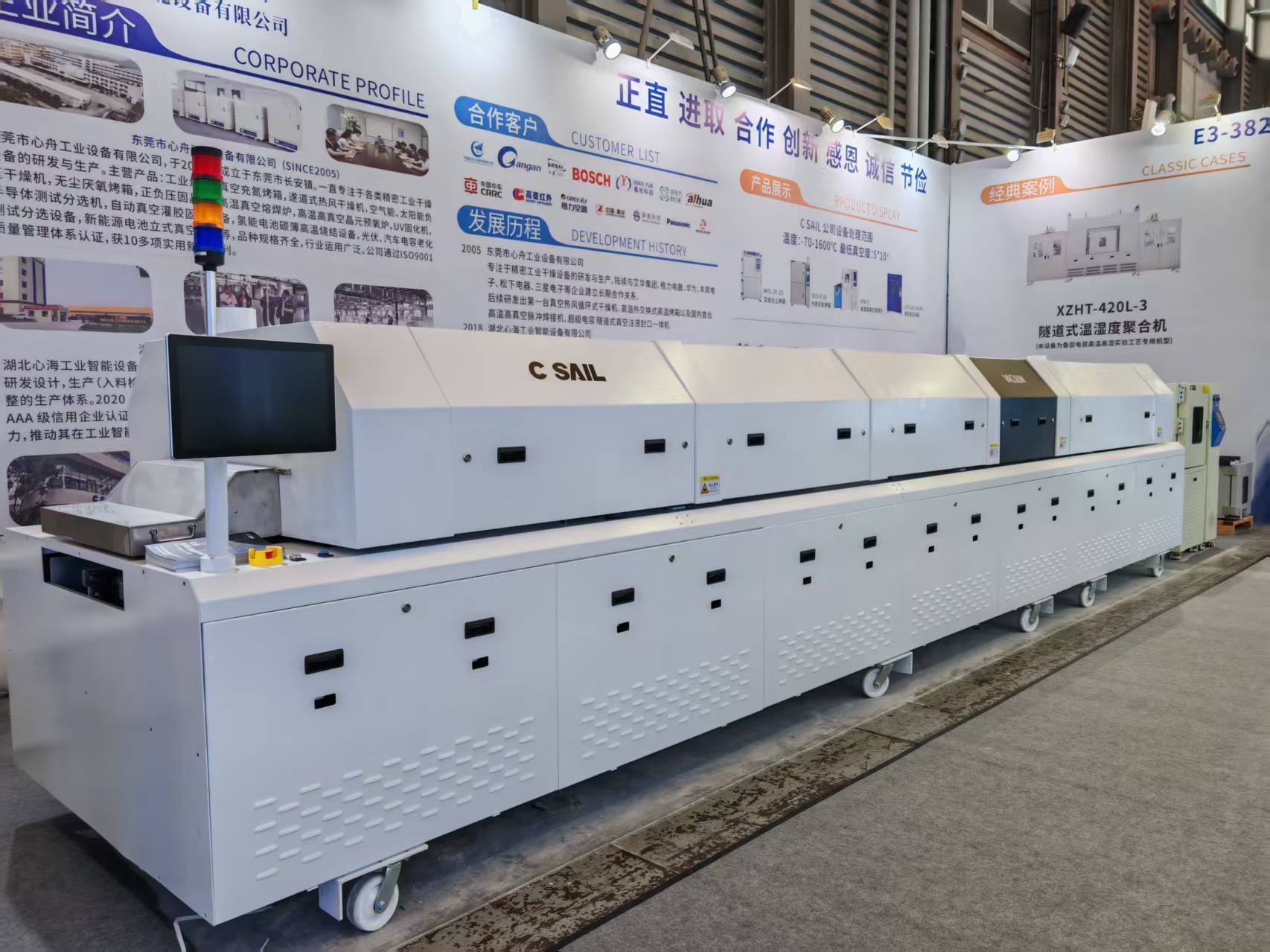
In-line vacuum reflow uses vacuum (<5 mbar) to create a pressure difference across the joint, holding void rate stably below 5% (single voids <1%).
Case: after vacuum reflow on EV IGBT modules, thermal resistance fell 27% and device life rose 3x.
Process parameter comparison
| Process type | Peak temperature | Melting time | Protective gas | Void rate |
| Conventional reflow | 230-250℃ | 30-90 s | Nitrogen / air | 20%-50% |
vacuum | 230-250℃ | 30-90 | vacuum | 5%